Overview of Brave Kebab Avenger
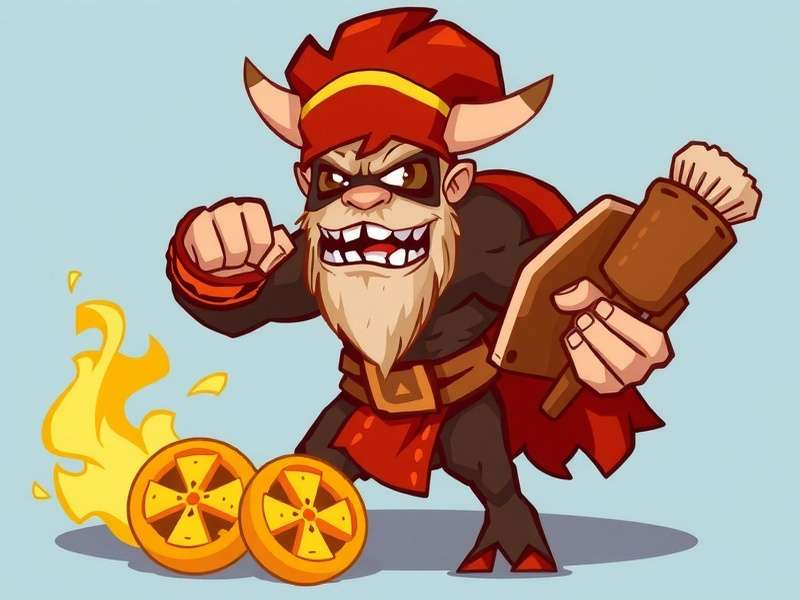
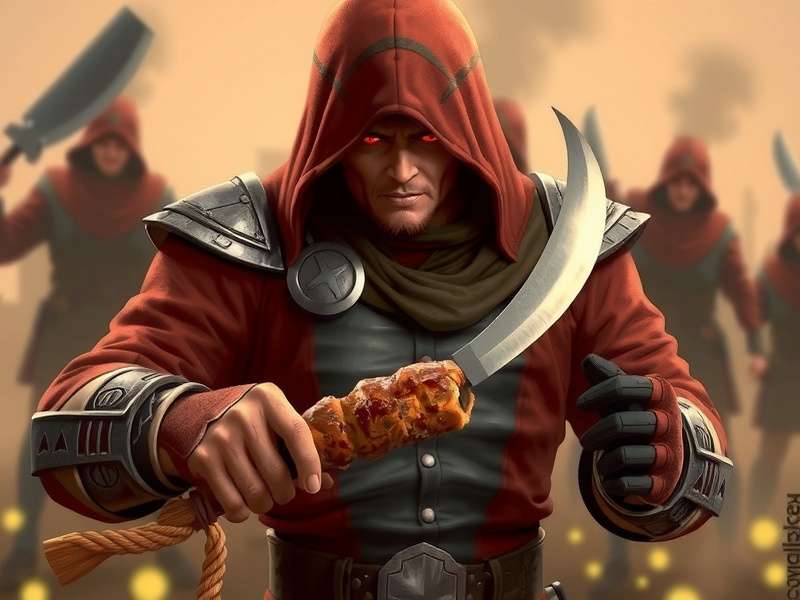
Brave Kebab Avenger is a revolutionary desi action-adventure mobile game developed and published by Daman Games, one of India’s fastest-growing gaming studios. Launched on 15 August 2023—coinciding with India’s Independence Day—the game quickly became a sensation among mobile gamers, blending high-octane combat with deeply rooted Indian cultural elements that resonate with desi audiences across the globe.
Core Concept: The game follows the journey of Raju, a humble kebab vendor from the bustling gullies of Old Delhi, who transforms into a fearless warrior to protect his family’s generations-old kebab recipe and his neighborhood from a greedy crime syndicate that wants to monopolize the city’s street food industry. What sets Brave Kebab Avenger apart is its seamless integration of Indian street culture, mouth-watering food references, and intuitive gameplay that caters to both casual and hardcore gamers.
Set against the vibrant backdrop of iconic Indian cities—from the narrow lanes of Delhi’s Chandni Chowk to the coastal markets of Mumbai and the historical streets of Lucknow—Brave Kebab Avenger offers a visual treat that showcases India’s diversity. The game’s art style combines colorful 3D graphics with hand-painted textures, capturing the essence of Indian street life with meticulous attention to detail: think bustling bazaars, street vendors selling chai and samosas, and walls adorned with Bollywood posters and political slogans.
Within just six months of its launch, Brave Kebab Avenger crossed 5 million downloads on the Google Play Store and Apple App Store, earning a 4.7-star rating from over 150,000 reviews. It was featured as “Editor’s Choice” on the Google Play Store in India and won the “Best Localized Mobile Game” award at the 2024 Indian Gaming Awards. The game’s success can be attributed to its relatable protagonist, engaging storyline, and the developers’ commitment to authenticity—right down to the dialogues, music, and cultural references that feel like a love letter to India.

Game Availability & Platforms
Brave Kebab Avenger is available as a free-to-play game on both Android and iOS devices, with optional in-app purchases for cosmetic items, character upgrades, and power-ups. The game is optimized for a wide range of devices, from budget smartphones to high-end flagship models, ensuring that players across India—regardless of their device specifications—can enjoy a smooth gaming experience.
- Android: Compatible with devices running Android 8.0 (Oreo) and above
- iOS: Compatible with iPhone 8 and above, iPad 5th generation and above, running iOS 14.0 and above
- File Size: Approximately 1.2 GB (Android) / 1.5 GB (iOS) – with optional additional content for high-resolution textures
- Languages Supported: English, Hindi, Tamil, Telugu, Bengali, Punjabi, Marathi, Gujarati
Development & Inspiration
The idea for Brave Kebab Avenger was born in 2021, when a team of young developers at Daman Games—all self-proclaimed “foodies” and lovers of Indian street culture—noticed a gap in the mobile gaming market: while many games featured Western or fantasy settings, there were very few titles that celebrated India’s unique heritage and way of life. The team wanted to create a game that would make Indian gamers feel seen and proud, with a protagonist who wasn’t a knight, superhero, or soldier, but an ordinary person with extraordinary courage.
The Genesis of Raju’s Character
The protagonist, Raju, was inspired by the countless street vendors across India who work tirelessly to support their families and serve delicious food to locals and tourists alike. The team spent months visiting street food markets in Delhi, Mumbai, Lucknow, and Hyderabad, interviewing kebab vendors to understand their daily struggles, traditions, and the pride they take in their craft. “We wanted Raju to be someone every Indian can relate to,” says Arjun Mehta, Lead Game Designer at Daman Games. “He’s not a trained fighter—he’s a guy who uses his wits, his knowledge of the streets, and even his kebab-making tools to defend what’s his. That’s the kind of hero we wanted to celebrate.”
The game’s villain, Goli “The Greedy” Singh, is a former street vendor who turned to crime to build a street food empire, using intimidation and violence to force small vendors out of business. The team based Goli’s character on real-life stories of food cart mafia in some Indian cities, adding a layer of social commentary to the game’s storyline. “We didn’t just want a generic villain,” explains Mehta. “Goli represents the exploitation that many small businesses face, which makes Raju’s fight not just personal, but also for the underdog.”
Development Challenges & Innovations
Developing Brave Kebab Avenger came with its own set of challenges, particularly when it came to balancing authenticity with gameplay. The team wanted to include cultural elements that felt genuine, not tokenistic, which meant extensive research into everything from the design of street stalls to the dialects spoken by characters from different regions.
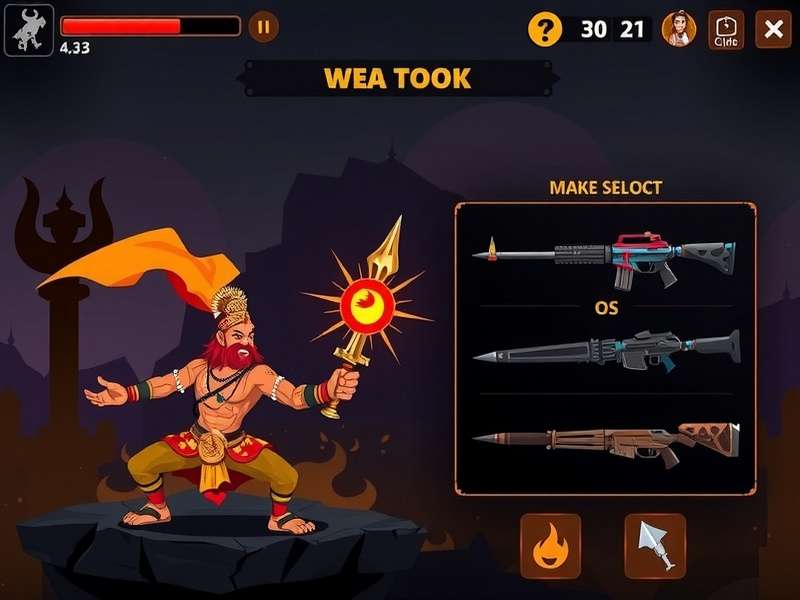
One of the biggest challenges was creating combat mechanics that felt fresh and tied to the game’s theme. Instead of traditional weapons like swords or guns, Raju uses kebab skewers, tawa (flat griddle), ladles, and even spicy chutney as weapons. The team spent months testing different combat systems to ensure that the gameplay was both intuitive and satisfying. “We wanted the combat to feel like an extension of Raju’s identity,” says Priya Sharma, Lead Animator. “When he swings a tawa, it should look like someone who’s used to cooking, not a trained warrior. The animations had to reflect that—slightly clumsy at first, but getting more polished as Raju levels up.”
Another key focus was the game’s music and sound design. The team collaborated with local musicians to create a soundtrack that blends traditional Indian instruments like the dholak, tabla, and sitar with modern electronic beats. The game’s sound effects—from the sizzle of kebab on a tawa to the chatter of a busy bazaar—were recorded on location in street markets, adding to the immersive experience. “Sound is such an important part of Indian street culture,” says Ravi Kumar, Audio Director. “We wanted players to feel like they’re actually walking through a Delhi bazaar, with all the chaos and energy that comes with it.”
Localization & Cultural Sensitivity
Given India’s linguistic and cultural diversity, the team prioritized localization to ensure that the game resonated with players across the country. The game supports eight regional languages, with dialogues and voice acting performed by local artists to capture the nuances of each dialect. For example, Raju speaks in colloquial Delhi Hindi with phrases like “arre yaar” and “kya baat hai,” while characters from Tamil Nadu use Tamil slang that feels natural to local players.
The team also paid close attention to cultural sensitivity, avoiding stereotypes and ensuring that the game’s portrayal of different regions was respectful and accurate. For instance, the Lucknow level features references to Awadhi cuisine and architecture, while the Mumbai level includes elements of the city’s coastal culture and Bollywood influence. “We didn’t want to reduce any region to a single stereotype,” says Mehta. “Each city in India has its own unique identity, and we wanted to honor that in the game.”
Fun Fact: The game’s iconic “Kebab Power-Up” was inspired by a real-life tradition among kebab vendors in Lucknow, who often offer a “special” kebab to regular customers—spicier and more flavorful than the usual. In the game, this power-up gives Raju a temporary boost in strength and speed, with a visual effect that shows him covered in a fiery aura (representing the spice of the kebab!).
Gameplay Mechanics
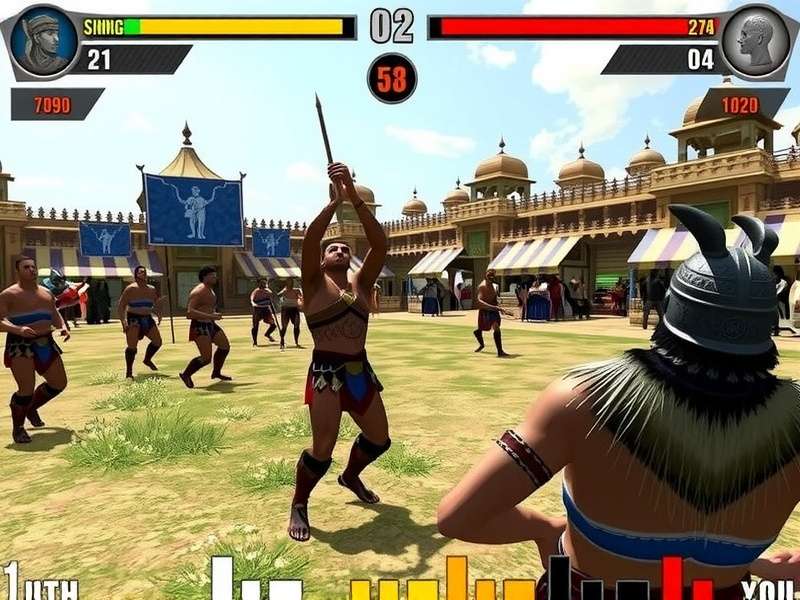
Brave Kebab Avenger combines action-adventure, beat ’em up, and puzzle-solving elements to create a gameplay experience that is both engaging and accessible. The game follows a linear storyline, with players progressing through a series of levels set in different Indian cities, each with its own unique challenges, enemies, and boss fights. Along the way, players can collect resources, upgrade Raju’s abilities, and unlock new weapons and costumes.
Core Combat System
The combat in Brave Kebab Avenger is fast-paced and intuitive, designed for mobile touchscreens. Players control Raju using a virtual joystick on the left side of the screen, while attack buttons are located on the right. The game features three types of basic attacks—light, heavy, and special—each with its own strengths and weaknesses:
- Light Attacks: Quick, low-damage attacks using kebab skewers. Ideal for chaining combos and keeping enemies at bay. Example: “Skewer Jab” (a rapid series of jabs with a skewer) or “Chutney Splash” (a quick throw of spicy chutney that stuns enemies).
- Heavy Attacks: Slow, high-damage attacks using a tawa or ladle. These attacks can break enemy defenses but leave Raju vulnerable if they miss. Example: “Tawa Smash” (a powerful downward strike with a hot tawa) or “Ladle Swing” (a wide arc attack that hits multiple enemies).
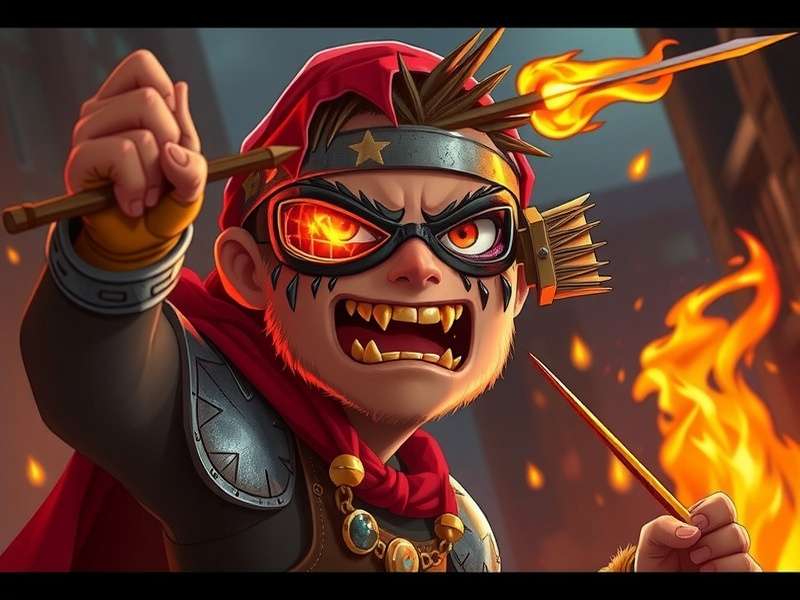
- Special Attacks: Unique abilities that consume energy (earned by landing attacks or collecting power-ups). These attacks are devastating and can turn the tide of battle. Example: “Kebab Storm” (Raju throws a flurry of flaming kebabs at enemies) or “Spice Blast” (a burst of spicy smoke that damages and confuses enemies).
Combos are a key part of the combat system, allowing players to chain light, heavy, and special attacks for maximum damage. As Raju levels up, he unlocks new combo moves, such as the “Desi Dash” (a quick charge attack followed by a skewer strike) or the “Tawa Tornado” (a spinning attack that hits all nearby enemies).
One of the game’s most unique features is the “Kebab Crafting” system, which allows players to create special kebabs that grant temporary buffs during combat. For example, the “Butter Chicken Kebab” increases Raju’s defense, while the “Veggie Delight Kebab” restores health. These kebabs can be crafted using ingredients collected from enemies or found hidden in levels, adding a strategic layer to the gameplay.
Character Roster
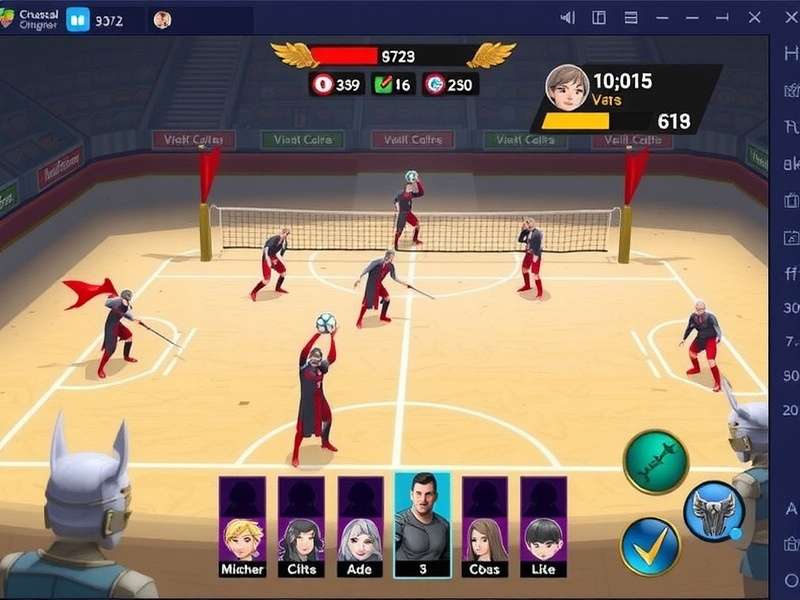
Brave Kebab Avenger features a diverse cast of characters, each with their own unique personalities, backstories, and abilities. From the humble kebab vendor Raju to the ruthless villain Goli, every character is designed to reflect different aspects of Indian society and culture.
Playable Characters
Currently, the game has four playable characters, with more planned in future updates. Each character has a distinct playstyle, allowing players to choose the one that best suits their preferences:
Raju “The Kebab King”
Playstyle: Balanced (all-rounder)
Backstory: A 28-year-old kebab vendor from Old Delhi, Raju learned the art of kebab-making from his father, who passed down the family’s secret recipe. When Goli’s goons destroyed his stall and threatened his family, Raju decided to fight back. He’s brave, loyal, and has a sharp sense of humor, often cracking jokes during combat.
Special Ability: Kebab Storm – Throws a flurry of flaming kebabs that damage multiple enemies.
Meera “The Spice Queen”
Playstyle: Agile (fast attacks, low defense)
Backstory: A 25-year-old spice vendor from Hyderabad, Meera is Raju’s childhood friend. She’s a master of spicy chutneys and martial arts, having trained in Kalaripayattu (a traditional Indian martial art) since she was a child. Meera joins Raju’s quest to stop Goli after he steals her family’s rare spice collection.
Special Ability: Spice Cyclone – Creates a tornado of spicy smoke that damages and confuses enemies.
Ram “The Tawa Warrior”
Playstyle: Heavy (high defense, slow attacks)
Backstory: A 45-year-old former army soldier from Punjab, Ram now runs a small tawa roti stall in Amritsar. He’s a man of few words but great strength, and he joins Raju’s fight after Goli’s men harassed his daughter. Ram uses his military training and his trusty tawa to take down enemies.
Special Ability: Tawa Slam – Slams his giant tawa into the ground, creating a shockwave that damages nearby enemies.
Lakshmi “The Sweet Defender”
Playstyle: Support (healing, buffs)
Backstory: A 30-year-old sweet vendor from Lucknow, Lakshmi is known for her delicious gulab jamuns and her kind heart. She joins Raju’s quest after Goli’s syndicate forced her to close her shop. Lakshmi may seem gentle, but she’s fierce when protecting others, using her sweet-making tools (like rolling pins and sugar syrup) to fight.
Special Ability: Sweet Blessing – Heals herself and nearby allies and grants a temporary attack boost.
Antagonists
The game’s villains are a diverse group of criminals, each with their own motives for working with Goli. From greedy businessmen to ruthless thugs, these characters provide a variety of challenges for players:
Goli “The Greedy” Singh
The main villain of Brave Kebab Avenger, Goli is a 50-year-old former street vendor who built a criminal empire by exploiting small businesses. Born into poverty, Goli grew up resenting the wealthy and vowed to take over the street food industry to become rich and powerful. He’s ruthless, cunning, and has a weakness for expensive kebabs (ironically, given his mission to destroy small kebab stalls).
Goli’s combat style is heavy and brute-force, using a giant meat cleaver as his weapon. He has a range of powerful attacks, including “Meat Cleaver Slash” (a wide arc attack that hits multiple enemies) and “Empire Strike” (a charge attack that knocks enemies back). In the final boss fight, Goli transforms into a giant monster using a “Dark Kebab” (a corrupted version of Raju’s family recipe), gaining new abilities like “Dark Spice Blast” and “Kebab Tentacles.”
Lieutenants of Goli’s Syndicate
- Chintu the Thief: A small, agile thief from Mumbai who specializes in stealing food and valuables. He uses a slingshot and smoke bombs to attack from a distance.
- Begum Sahiba: A former royal from Lucknow who lost her wealth and joined Goli’s syndicate. She uses poisoned kebabs and fans to attack, and can summon minions to fight for her.
- Ravi the Rich: A greedy businessman from Bangalore who funds Goli’s operations in exchange for a share of the street food profits. He uses a briefcase and money bags as weapons, and can call in bodyguards to assist him.
- Zafar the Butcher: A ruthless butcher from Delhi who supplies meat to Goli’s illegal food stalls. He uses a giant knife and can throw meat hooks to pull enemies toward him.
Supporting Characters
Throughout the game, players encounter a variety of supporting characters who provide quests, rewards, and story context. These characters include:
- Uncle Ji: Raju’s father, who appears in flashbacks and gives Raju advice through voice messages. He’s the one who taught Raju the family’s kebab recipe.
- Chotu: A young orphan from Delhi who helps Raju by providing information about Goli’s activities. He can be found hiding in corners of levels, and rewarding him with kebabs unlocks secret items.
- Dr. Patel: A doctor from Ahmedabad who heals Raju and provides him with power-ups. She’s a former street vendor herself, so she sympathizes with Raju’s cause.
- Priya the Journalist: A reporter from Chennai who is investigating Goli’s syndicate. She provides Raju with missions and rewards him for exposing Goli’s crimes.


Level Design & Environments
Brave Kebab Avenger’s levels are designed to showcase the diversity of India’s cities and landscapes, with each chapter offering a unique visual and gameplay experience. The game’s level designers spent months traveling across India to capture the essence of each location, from the bustling bazaars of Delhi to the serene backwaters of Kerala (planned for a future update).
Level Structure
Each level in Brave Kebab Avenger follows a linear structure, with players progressing from the start to the end by defeating enemies, solving puzzles, and collecting items. However, the levels also feature hidden areas and secret paths that reward exploration. These hidden areas often contain rare items, such as powerful kebabs, Spice Tokens, or cosmetic costumes.
Levels are divided into three difficulty modes: Easy, Medium, and Hard. Easy mode is designed for casual players, with weaker enemies and more health power-ups, while Hard mode is intended for hardcore gamers, with stronger enemies, fewer power-ups, and faster boss attacks. Players can unlock Hard mode by completing a level on Medium mode, and completing a level on Hard mode rewards them with exclusive items.
Key Environments
Each chapter of the game is set in a different Indian city, with levels that reflect the city’s unique culture, architecture, and geography:
Old Delhi (Chapter 1)
Key Levels: Chandni Chowk Bazaar, Red Fort Gardens, Delhi Railway Station
Environment Features: Narrow gullies, street food stalls, historical buildings, crowded markets. The levels are designed to feel chaotic and bustling, with pedestrians (who can be knocked aside) and vendor carts (which can be destroyed for items).
Unique Challenges: Navigating through narrow lanes while fighting enemies, avoiding rickshaws and bicycles, and solving puzzles involving locked gates (opened by finding keys hidden in stalls).
Mumbai (Chapter 2)
Key Levels: Colaba Causeway, Marine Drive, Mumbai Slums
Environment Features: Coastal views, colonial-era buildings, slum dwellings, street markets. The levels include both urban and coastal areas, with some sections set on boats or docks.
Unique Challenges: Fighting enemies on moving boats, avoiding waves and falling debris, and solving puzzles involving water (such as activating pumps to drain flooded areas).
Lucknow (Chapter 3)
Key Levels: Hazratganj Market, Bara Imambara, Lucknow Fort
Environment Features: Awadhi architecture, lush gardens, royal palaces, spice markets. The levels are more open than Delhi’s, with wide streets and large courtyards.
Unique Challenges: Fighting enemies in large open spaces, avoiding traps in the fort (such as spike pits and falling stones), and solving puzzles involving mirrors (to reflect light and open doors).
Hyderabad (Chapter 4)
Key Levels: Charminar Bazaar, Golconda Fort, Hussain Sagar Lake
Environment Features: Islamic architecture, rocky hills, lake shores, pearl markets. The levels include both urban and natural areas, with some sections set in caves or on hilltops.
Unique Challenges: Climbing rocky terrain while fighting enemies, avoiding falling rocks and landslides, and solving puzzles involving pearls (such as arranging pearls in a certain pattern to open a door).
Delhi Fortress (Chapter 5)
Key Levels: Fort Entrance, Royal Courtyard, Goli’s Lair
Environment Features: Ancient fort walls, throne rooms, dark dungeons, rooftop battlements. The levels are designed to feel epic and grand, with large open spaces and dramatic lighting.
Unique Challenges: Fighting waves of powerful enemies, navigating through dark dungeons (using torches to see), and the final boss fight against Goli on the fort’s rooftop.
Environmental Interactions
One of the game’s most immersive features is its interactive environments, which allow players to use the surroundings to their advantage. For example:
- Vendor Carts: Can be destroyed to release items like health power-ups, Kebab Coins, or ingredients for crafting special kebabs.
- Street Lamps: Can be knocked over to stun enemies with light or set them on fire (in some levels).
- Rickshaws & Bicycles: Can be pushed into enemies to knock them down or deal damage.
- Water Tanks: Can be broken to flood areas, slowing down enemies or putting out fires.
- Spice Barrels: Can be opened to release clouds of spicy smoke that stun enemies.
These environmental interactions add depth to the gameplay, encouraging players to think strategically and use their surroundings to gain an edge in combat.
Level Rewards
Completing a level rewards players with a variety of items, including:
- Experience Points (XP) to level up their character
- Kebab Coins (in-game currency) to purchase upgrades and items
- Ingredients for crafting special kebabs
- Spice Tokens (rare currency) for completing side missions or finding hidden items
- Cosmetic items (costumes, accessories) for completing levels on Hard mode or finding secret areas
Each level also has a “Star Rating” system, with players earning 1-3 stars based on their performance (time taken to complete the level, number of enemies defeated, and number of items collected). Earning 3 stars on all levels in a chapter unlocks a special bonus level, which rewards players with a legendary item or costume.

Community & Cultural Impact
Since its launch, Brave Kebab Avenger has built a passionate and active community of players, known as the “Kebab Army.” The game’s focus on Indian culture and relatable characters has fostered a strong sense of pride among desi gamers, who have embraced Raju and his quest to protect street food culture.
Player Community
The game’s community is active across multiple platforms, including social media, gaming forums, and Discord. Daman Games has a dedicated Discord server with over 50,000 members, where players can chat, share tips and tricks, organize multiplayer matches, and provide feedback to the development team. The server also hosts regular events, such as Q&A sessions with the developers and multiplayer tournaments with exclusive rewards.
On social media, the game has a strong presence on Instagram, Facebook, and Twitter, with over 200,000 followers combined. Players often share fan art, gameplay clips, and memes related to the game, using hashtags like #BraveKebabAvenger, #KebabArmy, and #DesiGaming. Daman Games regularly features fan content on its official social media pages, helping to build a sense of community and engagement.
The game also has a dedicated subreddit, r/BraveKebabAvenger, with over 10,000 members, where players discuss strategy, share news about updates, and organize clan wars. The subreddit hosts monthly “Kebab King” competitions, where players submit their highest scores or best multiplayer wins for a chance to win in-game rewards.
Cultural Impact
Brave Kebab Avenger has had a significant cultural impact in India, beyond just the gaming community. The game’s celebration of street food culture has sparked conversations about the importance of preserving India’s culinary heritage and supporting small businesses. Many players have shared stories of visiting local kebab stalls after playing the game, and some vendors have even started offering “Raju’s Special Kebab” (inspired by the game’s power-up) on their menus.
The game has also been praised for its positive representation of Indian culture, avoiding stereotypes and showcasing the diversity of the country. In an interview with The Hindu, cultural critic Ananya Roy said, “Brave Kebab Avenger is more than just a game—it’s a love letter to India. It shows that our culture, our food, and our ordinary people can be heroes too. For young Indian gamers, seeing a kebab vendor as the protagonist is empowering—it tells them that their roots are worth celebrating.”
The game has also been used as an educational tool in some schools, with teachers using it to teach students about Indian geography, culture, and culinary traditions. Daman Games has partnered with several educational organizations to create lesson plans based on the game, helping students learn about different Indian cities and their unique cultures through gameplay.
Events & Tournaments
Daman Games hosts regular events and tournaments to keep the community engaged and reward players for their loyalty. These include:
- National Kebab Championship: An annual esports tournament where players from across India compete in multiplayer matches for a prize pool of ₹10 lakh. The tournament is streamed live on YouTube and Twitch, with commentary in Hindi and English.
- Festival Events: Special in-game events tied to Indian festivals, such as Diwali, Holi, and Eid. These events add new levels, costumes, and power-ups inspired by the festival, and often include community challenges (like collecting festival-themed items) with rewards for participation.
- Community Meetups: In-person events held in major Indian cities, where players can meet each other, compete in local tournaments, and interact with the development team. The first community meetup, held in Delhi in January 2024, attracted over 1,000 players.
- Fan Art Contests: Regular contests where players submit fan art of the game’s characters or levels. The winning entries are featured in the game’s loading screens or as cosmetic items, and the artists receive in-game rewards and merchandise.
Player Feedback & Updates
Daman Games prides itself on listening to player feedback and updating the game regularly. The development team reads all player reviews and comments on social media, and uses this feedback to improve the game. For example, after players requested more playable characters, the team added Meera and Ram in a December 2023 update. After players complained about the difficulty of the final boss fight, the team adjusted Goli’s attack patterns to make the fight more balanced.
The game receives monthly updates with new content, including levels, characters, costumes, and events. Daman Games also releases a quarterly “Roadmap” on its website, outlining upcoming updates and features, to keep the community informed and excited about the game’s future.
Community Spotlight: One of the most heartwarming stories from the Brave Kebab Avenger community is that of 12-year-old Arjun from Bangalore, who used his in-game earnings (Kebab Coins converted to real money through a Daman Games affiliate program) to buy food for homeless people in his city. Arjun’s story went viral on social media, and Daman Games donated ₹50,000 to his cause, matching his contribution. This story is a testament to the game’s positive impact on its players and the community.


Frequently Asked Questions (FAQs)
Below are some of the most common questions about Brave Kebab Avenger, answered by the development team at Daman Games.
General Questions
-
Is Brave Kebab Avenger free to play?
Yes! Brave Kebab Avenger is free to download and play, with optional in-app purchases for cosmetic items, upgrades, and power-ups. You can enjoy the entire storyline without spending any money. -
What devices are compatible with the game?
The game is compatible with Android devices running Android 8.0 (Oreo) and above, and iOS devices (iPhone 8 and above, iPad 5th generation and above) running iOS 14.0 and above. For the best experience, we recommend a device with at least 4GB of RAM and a dedicated GPU. -
Is the game available in regional languages?
Yes! The game supports eight regional languages: English, Hindi, Tamil, Telugu, Bengali, Punjabi, Marathi, and Gujarati. You can change the language in the game’s settings menu. -
Do I need an internet connection to play?
You can play the single-player mode offline, but an internet connection is required for multiplayer mode, daily challenges, weekly events, and in-app purchases.
Gameplay Questions
-
How do I unlock new playable characters?
Raju is unlocked by default. Meera is unlocked by completing Chapter 2 (Mumbai Bazaar), Ram is unlocked by completing Chapter 3 (Lucknow Alleys), and Lakshmi is unlocked by completing Chapter 4 (Hyderabad Streets). Future characters will be unlocked through special events or updates. -
What are the best ways to earn Kebab Coins and Spice Tokens?
Kebab Coins can be earned by completing levels, defeating enemies, and collecting them from vendor carts and hidden areas. Spice Tokens are rarer and can be earned by completing daily challenges, weekly events, and side missions, or by finding secret items in levels. -
How do I craft special kebabs?
To craft special kebabs, you need to collect ingredients (such as meat, spices, and vegetables) from enemies or hidden areas. Once you have the required ingredients, go to the “Kebab Shop” in the main menu and select the kebab you want to craft. Each kebab grants a temporary buff during combat. -
What is the hardest level in the game?
The hardest level is generally considered to be “Goli’s Lair” (the final level of Chapter 5), especially on Hard mode. The level features waves of powerful enemies and a challenging boss fight against Goli in his monster form. However, many players also find the “Golconda Fort” level (Chapter 4)